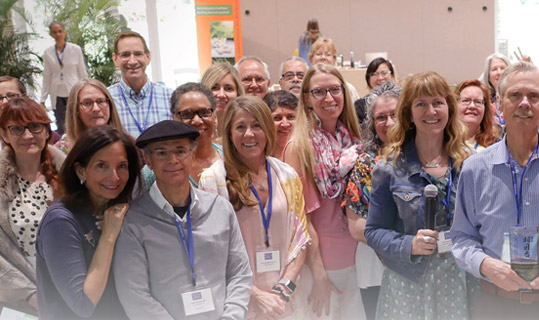
Clinician Feedback from Prior Restorative Medicine Programs
My interest in Neurology spans decades… When AARM created a neurology fellowship program, I immediately jumped on the opportunity. And AARM delivered! There are clinical pearls to learn in every presentation and lecture, and a self-paced approach with modules and monthly webinars was exactly what I needed to work with my schedule. Proud to be officially done and certified!
Dr. M.T.
I just wanted to tell you how truly wonderful I found this program--I have thoroughly enjoyed it and learned so much of interest and of use in my family practice. I'm disappointed that I've finished it! You all have done a beautiful job in organizing the program, as well as finding excellent speakers and choosing appropriate clinical topics. If only all webinars could be so riveting… Thank you for a rewarding experience!
Carrie Browne, MD
I would like to thank AARM for having this kind of fellowship program. Distant learning is within reach. They have a variety of dynamic speakers from different fields of herbal medicine. Now I am more confident in treating my patients with this modality.
Lovely Ediza Dollosa, MD
The Fellowship program from AARM is the perfect complement to my IFM certification. Thank you to all the teachers who impart their years of practical knowledge to us.
L.I., MD
I have attended many integrative medicine conferences, and I get so much more out of AARM. I feel the clinical pearls I learned are not only cutting-edge information but practical applications I can use immediately in the clinic. Both my patients and I are personally enriched and benefit from the knowledge and skills learned.
The objective of this article is to explore how parents of children with autism spectrum disorder (ASD) implement dietary and nutraceutical therapies at home, and to understand the challenges, facilitators, and perceived outcomes that shape their use in real-world settings.
With over one in five U.S. adults facing a diagnosable psychiatric condition, mental health remains a critical frontier in integrative care. However, pharmacological management often falters; nearly 50% of patients discontinue medication due to intolerable side effects like weight gain and emotional blunting. This guide bridges that gap, utilizing a robust body of clinical evidence — from double-blind RCTs to mechanistic studies — to demonstrate how specific botanicals and amino acids can effectively modulate neurotransmitter systems with a significantly lower adverse effect burden.
Iodine is an indispensable component in the biosynthesis of the thyroid hormones thyroxine (T4, prohormone) and triiodothyronine (T3, active hormone). Iodine must be obtained through the diet, as the body is unable to produce it. The risks posed by iodine deficiency are well recognized, but more widespread use of biomarkers for iodine status has demonstrated that iodine deficiency is still evident within subpopulations in high income countries, including areas with low goiter prevalence, and even in regions where iodine deficiency was considered eradicated.
The Association for the Advancement of Restorative Medicine (AARM) is a non-profit medical association whose mission is to promote the use of, and education surrounding Restorative Medicines amongst medical professionals. AARM members are part of a community of like minded professionals who meet multiple times a year to discuss their latest findings in their respective fields. Through these conferences, as well as our herbal Fellowship program, AARM hopes to advance the use of Restorative Medicine as a foundation for health.
Restorative Medicine focuses on the importance of a balanced endocrine system through recognizing how the different chemical messengers influence each other. Stabilizing the endocrine system as a whole, rather than treating a single individual hormone, helps to optimize health and promote longevity. The ultimate goal of Restorative Medicine is to reduce or eliminate the need for ongoing medical treatment, when possible, by truly restoring health at its core.
You're invited to become an AARM member! AARM encourages diversity in its membership; our members are a mix of medical doctors, naturopathic doctors, osteopathic doctors, chiropractic doctors, nurse practitioners, physician assistants, registered nurses, nutritionists, and other allied professionals. As a member, you'll receive discounts on educational events, get access to free recordings, and be listed on our "Find a Practitioner" tool, plus much more! Learn more about membership benefits below.
Cookies are small text files that can be used by websites to make a user's experience more efficient. The law states that we can store cookies on your device if they are strictly necessary for the operation of this site. For all other types of cookies we need your permission. This site uses different types of cookies. Some cookies are placed by third party services that appear on our pages.
For more information on how Google's third party cookies operate and handle your data, see:
Google's Privacy Policy
Necessary cookies help make a website usable by enabling basic functions like page navigation and access to secure areas of the website. The website cannot function properly without these cookies.
Marketing cookies are used to track visitors across websites. The intention is to display ads that are relevant and engaging for the individual user and thereby more valuable for publishers and third party advertisers.
Preference cookies enable a website to remember information that changes the way the website behaves or looks, like your preferred language or the region that you are in.




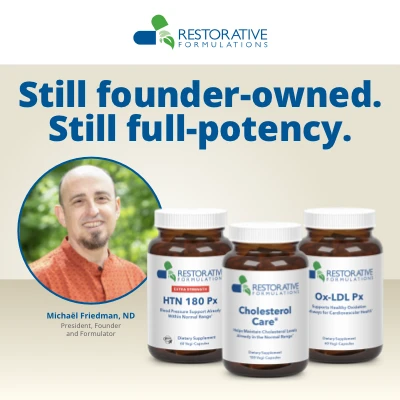 Sponsored Ad